ARC Ride Raises $33.3M to Scale Battery-Swapping Infrastructure Across Africa
Kenyan electric mobility startup ARC Ride raised $33.3 million — $23 million in Series A equity plus $10 million in debt — led by Novastar Ventures and Norrsken22, with the International Finance Corporation, British International Investment, and Proparco joining, to expand its battery-swapping network for electric motorcycles beyond Kenya into Ghana, South Africa, Tanzania, and Uganda.
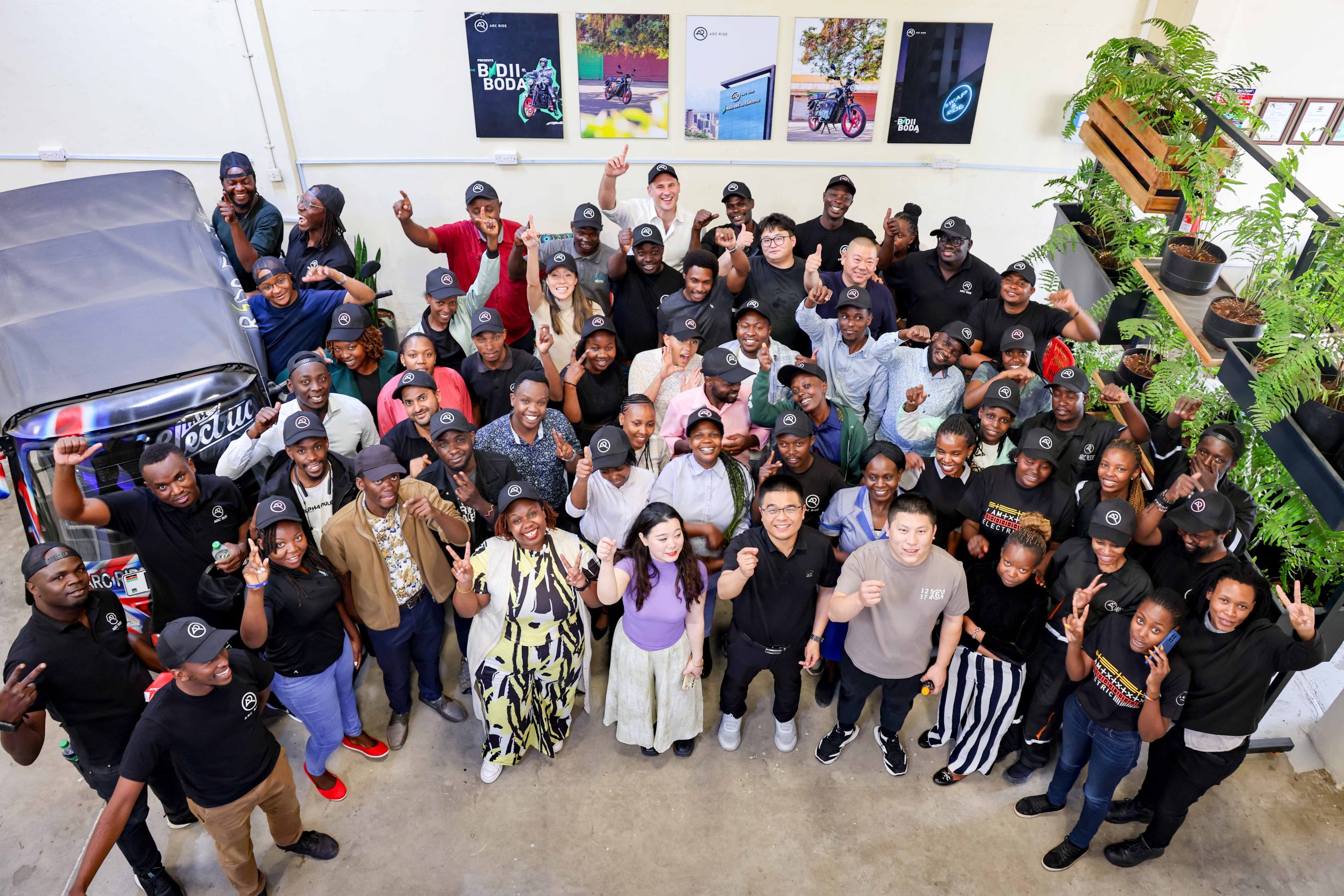
ARC Ride, a Nairobi-based Battery-as-a-Service (BaaS) provider for electric two- and three-wheelers, has raised $33.3 million to scale its battery-swapping infrastructure across Africa.
The financing splits into a $23 million Series A equity round and $10 million in debt. Novastar Ventures and Norrsken22 led the equity round, with the International Finance Corporation (IFC), British International Investment (BII), and Proparco participating. Existing investors Musashi Seimitsu — a Japanese Tier-1 automotive supplier — and African impact investor Talanton also returned. The debt component runs through BII's Kinetic programme and Mirova.
Founded in 2018 by Jo Hurst Croft, ARC Ride lets riders swap a depleted battery for a fully charged one at a smart station in minutes, removing the multi-hour charging downtime that has slowed electric-motorcycle adoption across the continent. The new capital will fund more electric motorcycles, expand battery-swapping infrastructure, and take the model into Ghana, South Africa, Tanzania, and Uganda — four new markets at once.
"This funding allows us to scale the infrastructure required to support that transition, and to do so quickly," Hurst Croft said.
Novastar Ventures' Steve Beck framed the round as validation of a model already proven in one market: "ARC Ride has built a model that's proving itself in Kenya and expanding into Ghana, Uganda and South Africa."
The investor syndicate here is the real story: three DFIs (IFC, BII, Proparco) — the same institutional roster underwriting funds like Ventures Platform's $84M Fund II — sitting alongside climate-specialist VCs and a Japanese automotive supplier as a strategic. That mix, plus a financing structure split roughly 70/30 between equity and debt, is becoming the default shape of African climate-infrastructure rounds, not an exception — asset-heavy businesses like battery networks don't scale on pure equity, and DFI capital is increasingly the plug for the debt half. The four-market expansion in one round is also a real test, not a formality: BaaS economics depend on rider density and swap-station uptime, both of which are locally specific — whether ARC Ride's Kenya playbook holds in Ghana or South Africa is the actual thing to watch over the next 12 months, not the headline number.
Lemina News
✓ VERIFIEDLemina's newsroom covers fundraising pipelines, financial services policy, and private asset valuations across African technology hubs — verified against the platform's underlying company data.